
What is the House System?
The House System is a traditional educational structure that originated in British boarding schools during the 17th–19th centuries. As students lived and studied on school campuses, they were organised into smaller groups to provide greater structure to their daily lives, pastoral care, and school activities. These groups became known as “Houses.”
Over time, Houses evolved from residential arrangements into communities that fostered teamwork, belonging, and school spirit. Students represented their Houses in sporting, academic, cultural, and social activities, creating a strong sense of community and friendly competition.
Among the traditional English schools that played an important role in developing the House System as a central part of school culture are Eton College, Harrow School, and Rugby School.
From the 20th century onwards, the House System expanded beyond boarding schools and became widely adopted by international and day schools around the world. Today, many schools use House Systems to strengthen students’ sense of belonging while developing leadership, teamwork, and interpersonal skills.
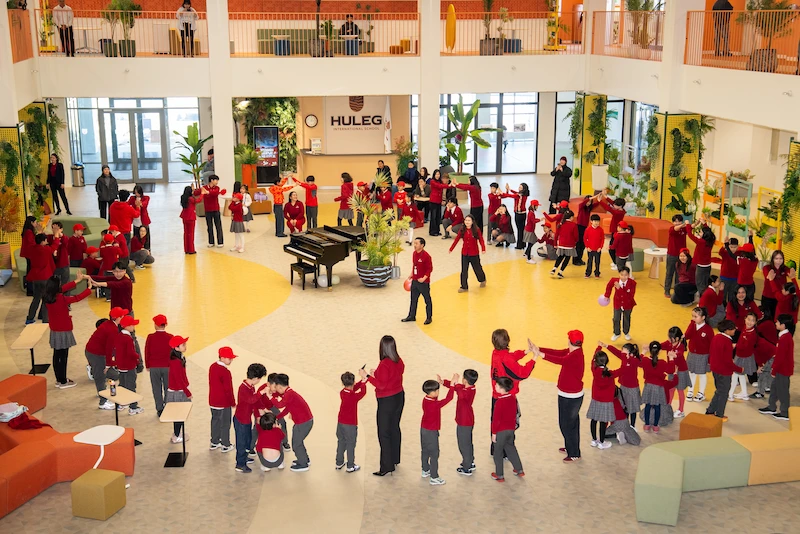
The Importance of the House System in Education
Leadership
Students have opportunities to work alongside peers from different year groups. Older students can guide and support younger students, developing leadership skills and a stronger sense of responsibility.
Belonging
By identifying with their House and working towards shared goals, students develop a stronger sense of belonging and connection to the wider school community.
Teamwork
House activities help students strengthen communication, collaboration, mutual support and collective responsibility.
Participation
Sporting, artistic, academic and social activities encourage students to participate actively in school life and contribute to a positive and inclusive school culture.
Modern education recognises that schools play an important role not only in developing academic knowledge, but also in preparing students for life within a community and developing their social skills, character, and sense of responsibility.
In this way, the House System helps nurture students who are not only academically capable, but also confident collaborators, responsible individuals, and emerging leaders.
Our House System
At Huleg International School, the House System has been designed to strengthen school culture, encourage student participation, and foster a strong sense of community.
The Huleg House System consists of three Houses, inspired by the colours of the school logo: Red, White, and Yellow. Every student belongs to one of these Houses and participates in a wide range of school activities throughout the academic year as part of their House community.
Students Join a House from Grade 3
Grades 6–12
From Grades 6–12, students are divided equally and randomly among the three Houses. Once assigned, students remain members of the same House until they graduate.
This allows students to develop a lasting connection with their House and become active members of the school community.
Led by Students, Supported by Teachers
The House System at Huleg is built around student leadership. Each House has a House Captain and Vice Captain, with these positions elected by students from the senior year groups.
Teachers are also assigned to Houses and actively participate in the House System. This strengthens collaboration between students and staff and contributes to a united and supportive school environment.
Red, White & Yellow
Energy. Courage. Leadership.
Red House represents energy, courage, and leadership. Its students actively participate in school activities and strive to demonstrate strong teamwork and leadership.
Red House produces a monthly video highlighting and bringing together school activities and events.
Fairness. Responsibility. Unity.
White House represents fairness, responsibility, and unity. Its members value collaboration and mutual respect while actively participating in a wide range of school activities.
White House organises the school’s Halloween event and supports programmes that encourage creativity and student participation.
Creativity. Positivity. Initiative.
Yellow House represents creativity, positivity, and initiative. Its students actively contribute to enriching school communication and culture through creative initiatives.
Yellow House produces the school’s weekly newspaper and organises activities for Tsagaan Sar, helping promote and celebrate Mongolia’s national heritage and cultural traditions.
One School. Three Houses. One Community.
Through the House System, students build lasting friendships, discover opportunities to lead, support one another and contribute actively to the life and culture of Huleg International School.